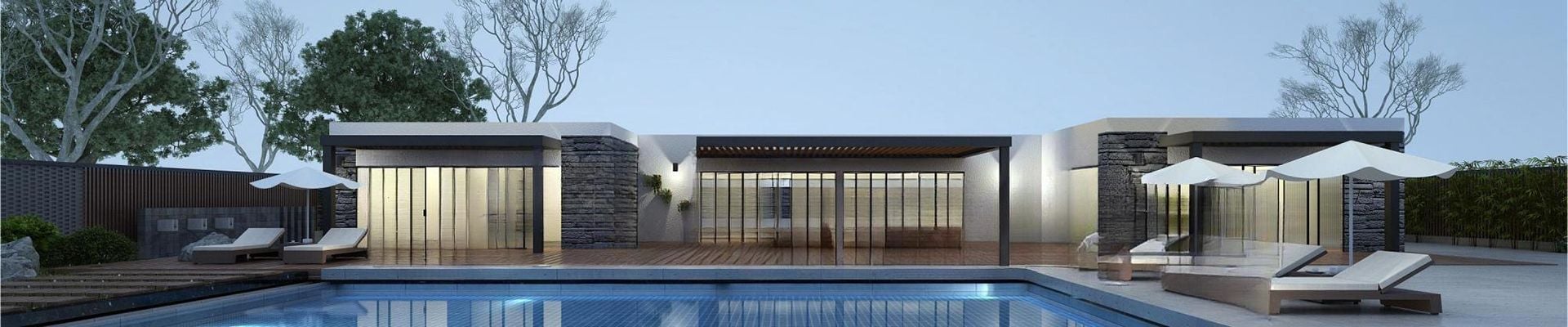
One-stop Project Services
One-stop Project Services
Socio-Economic Implications of Modular Infrastructure
The global housing crisis necessitates innovative resettlement housing solutions that are both economically viable and socially sustainable. The Econel modular system, with its focus on rapid deployment and high-quality prefab construction, offers a strategic alternative for government-led infrastructure projects. This article provides a comprehensive lifecycle cost analysis (LCCA) of the Econel system, examining its long-term economic impact, social return on investment (SROI), and its role as a strategic prefab government housing solution. By shifting the focus from initial capital expenditure (CAPEX) to total lifecycle assessment (LCA), we can better appreciate the macro-economic benefits of modular infrastructure. As governments seek to maximize the impact of public funds, the efficiency of the Econel system presents a compelling case for a new approach to public housing. This section introduces the socio-economic framework used to evaluate modular infrastructure, emphasizing the importance of long-term value over short-term savings. The adoption of modular systems represents a strategic shift in how societies provide for their most vulnerable members.
Lifecycle Cost Analysis (LCCA) of Prefabricated Housing
A traditional focus on initial construction costs often overlooks the significant long-term expenses associated with maintenance, energy consumption, and eventual decommissioning. A rigorous lifecycle cost analysis (LCCA) of the Econel system reveals that while the initial investment might be comparable to traditional methods, the long-term savings are substantial. These savings stem from the system's superior energy efficiency, which drastically reduces utility costs for residents and government operators, and its durable material matrix, which minimizes the need for frequent and costly structural repairs. Over a 50-year horizon, the total cost of ownership for an Econel project is estimated to be 20-30% lower than conventional brick-and-mortar housing. This makes it an ideal choice for government agencies responsible for large-scale resettlement programs where budget predictability and long-term sustainability are paramount. Furthermore, the speed of construction reduces the cost of financing and the overhead associated with site management.
Social Return on Investment (SROI) in Resettlement Projects
Beyond financial metrics, the impact of housing on community well-being must be quantified through Social Return on Investment (SROI). The Econel system contributes to a high SROI by providing safe, dignified, and high-quality living environments in a fraction of the time required by traditional construction. Rapid deployment is particularly critical in the context of disaster recovery or urgent resettlement housing solutions. By reducing the time people spend in temporary or sub-standard shelters, the system improves public health outcomes, educational stability for children, and local economic participation. Furthermore, the aesthetic quality of luxury modular homes, when applied to public housing, helps to destigmatize government projects and foster a sense of pride and social cohesion among residents. The ability to customize modular units for different family sizes and cultural needs also enhances the social value of the infrastructure.
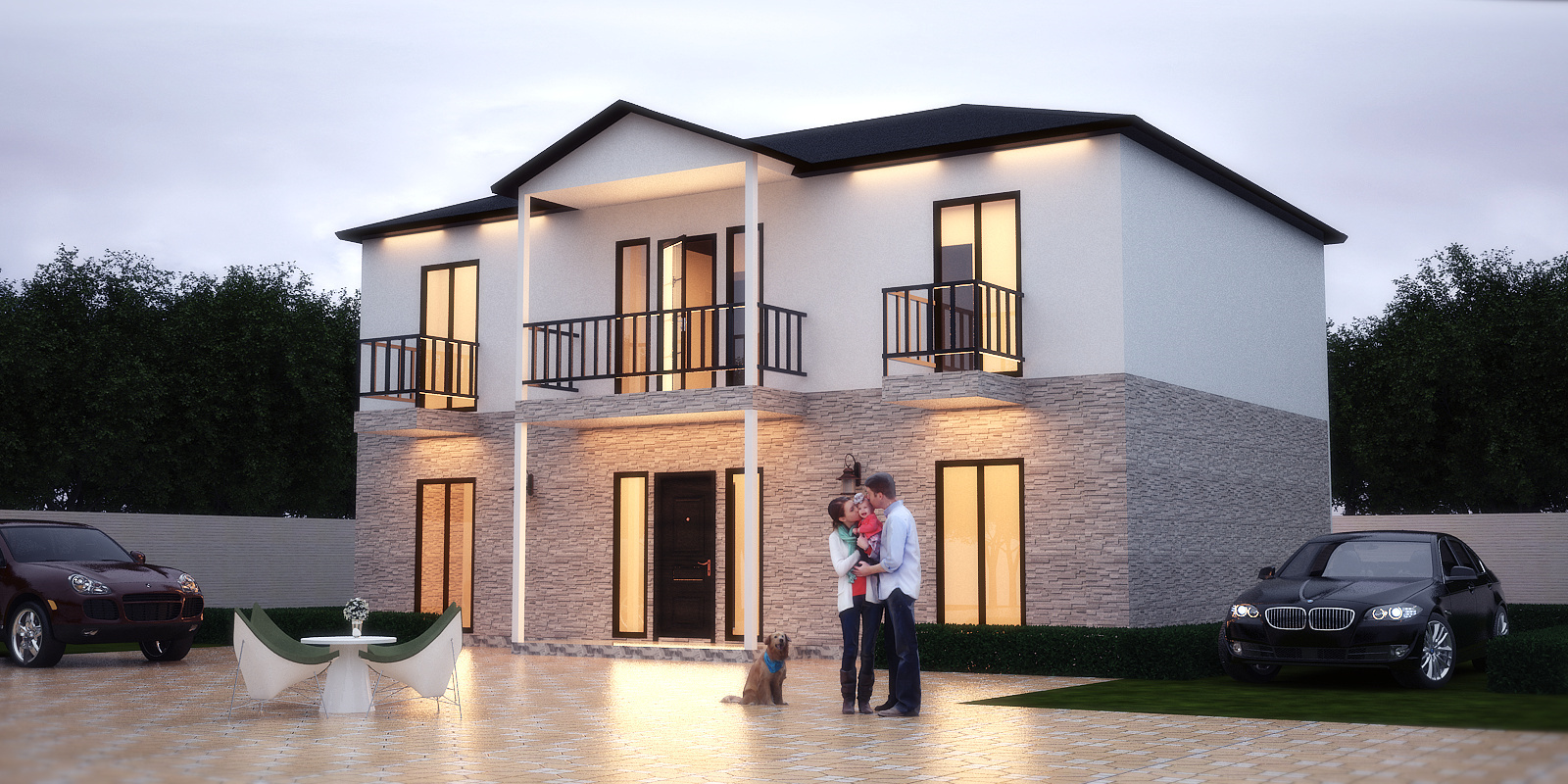
Lifecycle Assessment (LCA) and Macro-Economic Carbon Strategy
The environmental dimension of the Econel system is captured through a comprehensive lifecycle assessment (LCA). This analysis tracks the environmental impact of the building from raw material extraction to manufacturing, use, and end-of-life recycling. The Econel system's LCA is characterized by low embodied energy, thanks to efficient factory-based manufacturing and significantly reduced site-based logistics. The use of precast concrete residential homes also allows for precise resource management, virtually eliminating the material waste typically associated with on-site construction. In the context of national carbon reduction targets, the adoption of Econel as a standard prefab construction solution provides governments with a tangible tool for achieving climate goals while simultaneously addressing the urgent need for housing infrastructure. The macro-economic benefit of reducing a nation's carbon footprint through sustainable housing is substantial, potentially leading to lower carbon taxes and improved international standing.
Strategic Implementation and Rapid Deployment Logistics
The strategic implementation of Econel in government projects relies on its capacity for rapid deployment and logistical efficiency. Traditional construction is often plagued by delays due to weather, local labor shortages, and complex on-site management. In contrast, the off-site manufacturing of Econel panels allows for parallel processing: while the site is being prepared, the building components are already being produced in a controlled factory environment. This can reduce total project timelines by up to 50%, a critical factor for urgent resettlement housing. For government housing solutions, this speed translates to faster resettlement, reduced temporary housing costs, and lowered overhead. The modularity of the system also allows for scalable deployment, enabling agencies to respond dynamically to changing housing demands without the need for extensive redesign or new engineering. The ability to transport components efficiently to remote areas further enhances the system's strategic value.
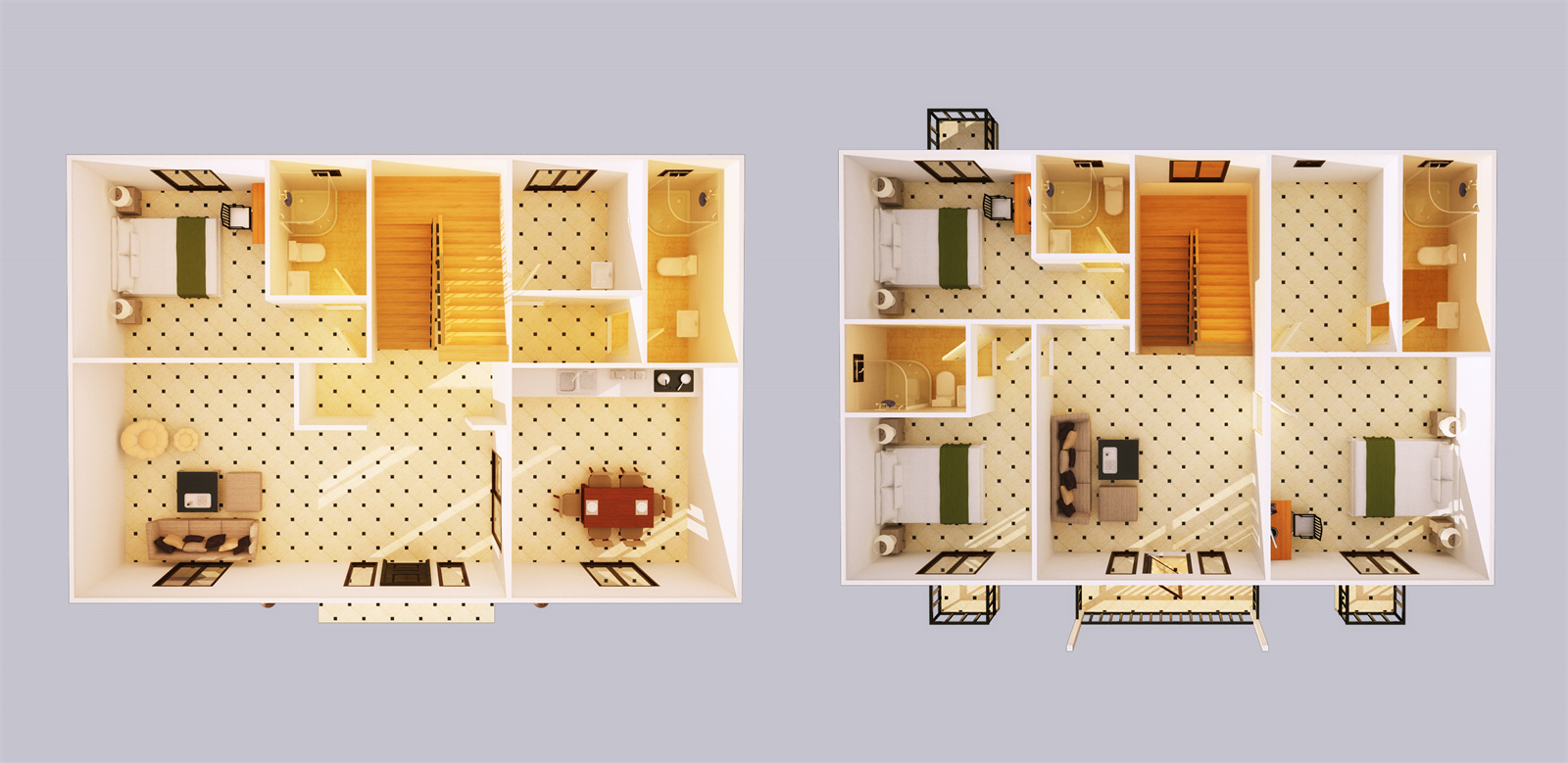
Conclusion: Modular Infrastructure as a Catalyst for Social Progress
In conclusion, the strategic implementation of Econel modular infrastructure offers a robust and scalable framework for addressing the complex socio-economic challenges of modern housing. Through a focus on lifecycle cost analysis and social return on investment, it becomes clear that the value of the Econel system extends far beyond the initial build. It provides a sustainable, efficient, and dignified solution for government resettlement housing and luxury modular homes alike, proving that high-quality construction can be accessible to all. As the global population continues to urbanize and the impacts of climate change become more severe, the macro-economic and social benefits of such high-performance prefab construction solutions will become increasingly vital for national resilience. The transition toward modular infrastructure is not just a technological change, but a strategic necessity for sustainable social and economic development in the 21st century. By investing in resilient, efficient, and humane modular housing, societies can build a more stable and prosperous future for everyone.
The UPS people’s mission is to provide the comfortable houses for everyone.
 EN
EN
 AR
AR NL
NL FR
FR DE
DE EL
EL HI
HI IT
IT JA
JA KO
KO NO
NO PL
PL PT
PT RO
RO RU
RU ES
ES SV
SV TL
TL ID
ID SK
SK UK
UK VI
VI SQ
SQ GL
GL HU
HU MT
MT TH
TH TR
TR FA
FA AF
AF MS
MS GA
GA HY
HY AZ
AZ BN
BN LO
LO MN
MN MY
MY UZ
UZ