One-stop Project Services
One-stop Project Services
Structural Dynamics of Prefabricated Cement Infrastructure
The structural integrity of modern prefab houses is increasingly scrutinized as global climate volatility necessitates more resilient building solutions. Prefabricated cement infrastructure, particularly the Econel system, offers a robust alternative to conventional construction by leveraging advanced engineering mechanics and precise manufacturing. This article provides a comprehensive analysis of the seismic resilience and structural load-bearing mechanics of Econel, focusing on the application of finite element analysis (FEA) principles and the system's performance under extreme environmental stresses such as high-velocity hurricanes and high-magnitude earthquakes. By examining the dynamic response of precast concrete residential homes, we can quantify the safety margins provided by this innovative system. The core of this resilience lies in the monolithic behavior of the joined panels, which act together as a unified structural shell. This section introduces the mechanical framework of the Econel system, outlining the physical properties and engineering standards that ensure its performance in the world's most challenging environments.
Engineering Mechanics and Load-Bearing Capacity Analysis
The load-bearing capacity of an Econel structure is rooted in the composite behavior of its reinforced cement panels. Unlike traditional post-and-beam systems where loads are concentrated at specific points, the Econel system utilizes load-bearing walls that distribute gravitational and lateral forces across a wider surface area. This distribution reduces the stress on individual components, preventing localized failures and enhancing the overall structural load-bearing capacity. The precision-engineered joints between panels are designed as semi-rigid connections that transfer shear and axial forces efficiently, creating a unified structural shell. Mechanical testing of Econel wall sections demonstrates a compressive strength that significantly exceeds standard residential requirements, allowing for the construction of multi-story modular units without the need for additional structural framing. The use of high-tensile reinforcement within the panels ensures that they can withstand both tension and compression, a critical requirement for high-wind and seismic events.
Seismic Resilience and Response Spectrum Modeling
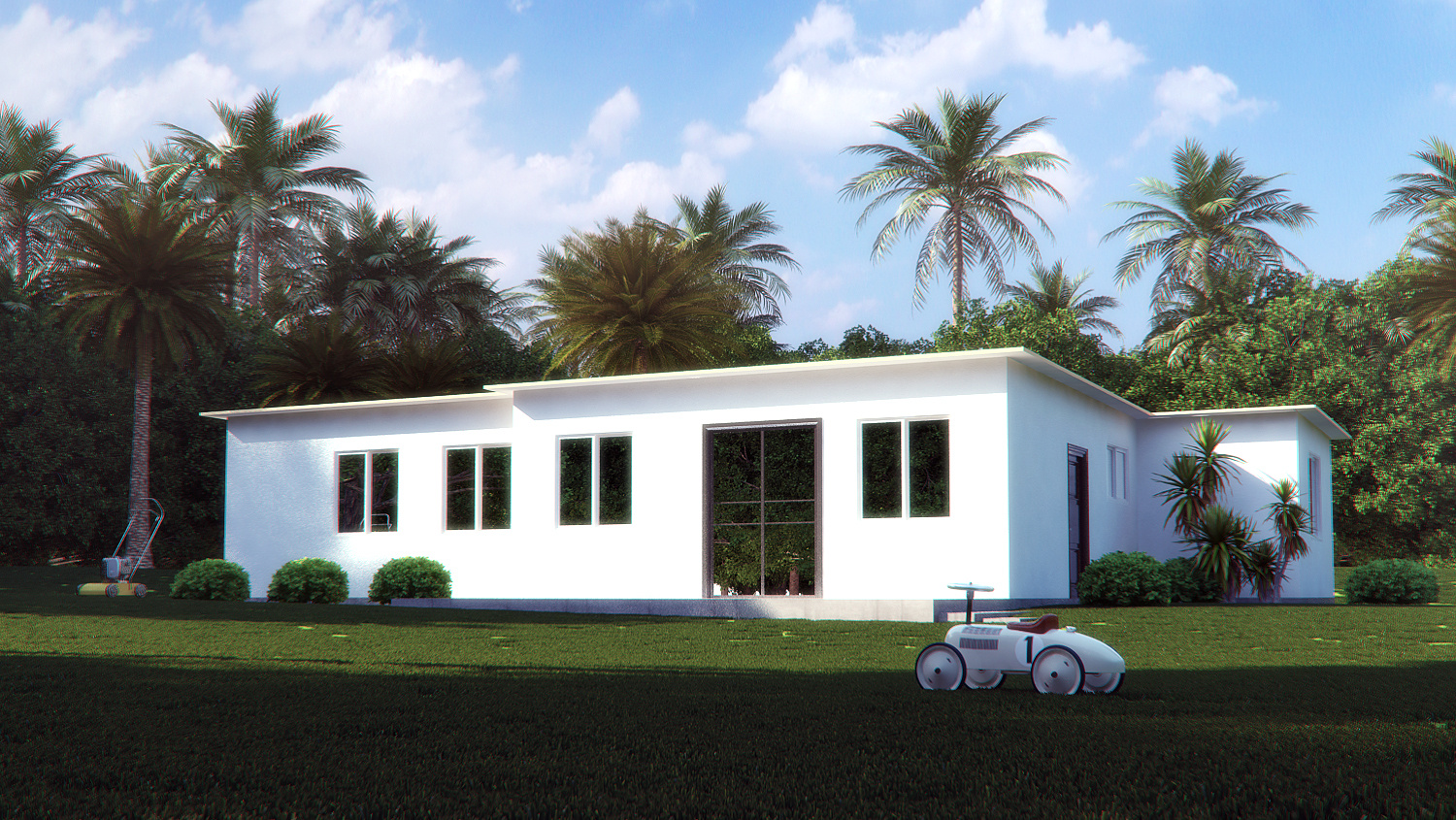
Seismic performance is a critical design criterion for any modern infrastructure. The Econel system's resilience to seismic events is analyzed through response spectrum analysis, which evaluates how the building responds to different frequencies of ground motion. The inherent stiffness of the precast concrete panels provides a high fundamental frequency, which often keeps the structure out of the resonance range of many common earthquake signatures. Moreover, the modular nature of the system allows for controlled energy dissipation at the connections. By engineering the ductility of the panel-to-panel fasteners and utilizing energy-absorbing joint materials, the Econel system can absorb and dissipate seismic energy, significantly reducing the risk of brittle fracture. Comparative studies indicate that Econel structures maintain their structural integrity in seismic zones where traditional masonry would suffer catastrophic failure. The system's performance is further enhanced by its lightweight relative to traditional concrete, which reduces the inertial forces generated during ground motion. This section explores the seismic design strategy of Econel, demonstrating how it provides a high level of safety for residents in earthquake-prone regions.
Hurricane Proof Model: Wind Load and Debris Impact Resistance
For regions prone to extreme weather, the hurricane proof model of Econel provides unparalleled safety. Wind load resistance is a function of both the building's aerodynamic profile and its sheer structural mass. The density of the Econel matrix ensures that the structure remains anchored even under extreme uplift forces. Furthermore, the monolithic behavior of the joined panels creates a pressurized envelope that is highly resistant to debris impact—a major cause of structural failure during hurricanes. Finite element analysis reveals that the stress distribution under 250 km/h wind loads remains well within the elastic limit of the material, preventing permanent deformation. This ensures that the building remains habitable and structurally sound after the storm passes, a key factor in long-term resilience for coastal prefab construction solutions. The integrity of the windows and doors—integrated during the prefabrication process—is also tested to ensure they match the wind-load rating of the wall panels. This holistic approach to hurricane protection provides peace of mind for homeowners in vulnerable areas.
Finite Element Analysis (FEA) and Computational Validation
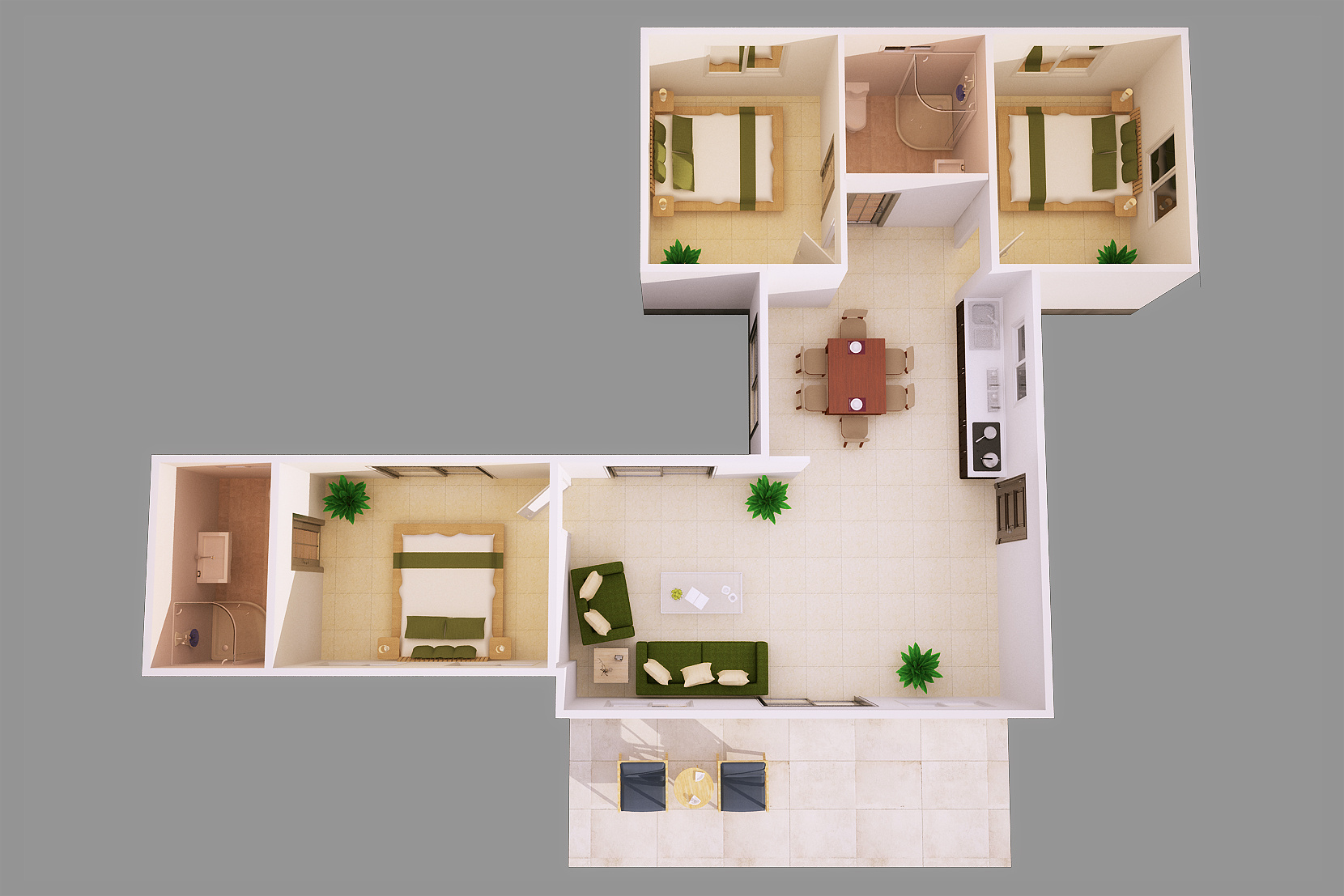
The design of Econel systems is heavily reliant on Finite Element Analysis (FEA) to predict structural behavior under complex and multi-axial loading scenarios. FEA allows engineers to discretize the building into thousands of small elements, calculating the stress, strain, and displacement for each point under specified loads. This precision allows for the optimization of panel thickness and reinforcement placement, ensuring that material is used efficiently while maintaining a high factor of safety. By simulating diverse scenarios—from heavy snow loads on the roof to lateral soil pressure on the foundation—FEA validates the performance of the Econel system before a single panel is cast. This digital-twin approach reduces the risk of unforeseen structural issues and ensures that each precast concrete residential home meets or exceeds global engineering standards. The ability to model the interaction between different panel types and joint configurations allows for the customization of buildings for specific site conditions.
Conclusion: Engineering the Future of Resilient Housing
In conclusion, the structural integrity and seismic resilience of the Econel system are the results of a rigorous application of engineering mechanics and advanced computational modeling. Its high load-bearing capacity, hurricane-proof characteristics, and proven seismic performance make it a premier choice for high-stakes construction and government resettlement projects. As prefabricated cement infrastructure continues to evolve, the integration of real-time structural health monitoring (SHM) systems within the panels could provide ongoing data on performance, further validating the reliability of Econel over its entire lifecycle. For the global housing market, the mechanical superiority of this system offers a clear path toward safer, more durable, and more resilient urban environments. The Econel system proves that modularity does not have to come at the expense of structural performance; in fact, the precision of prefabrication allows for a level of structural control that is impossible to achieve in the field.
The UPS people’s mission is to provide the comfortable houses for everyone.

 EN
EN
 AR
AR NL
NL FR
FR DE
DE EL
EL HI
HI IT
IT JA
JA KO
KO NO
NO PL
PL PT
PT RO
RO RU
RU ES
ES SV
SV TL
TL ID
ID SK
SK UK
UK VI
VI SQ
SQ GL
GL HU
HU MT
MT TH
TH TR
TR FA
FA AF
AF MS
MS GA
GA HY
HY AZ
AZ BN
BN LO
LO MN
MN MY
MY UZ
UZ