 EN
EN
 AR
AR NL
NL FR
FR DE
DE EL
EL HI
HI IT
IT JA
JA KO
KO NO
NO PL
PL PT
PT RO
RO RU
RU ES
ES SV
SV TL
TL ID
ID SK
SK UK
UK VI
VI SQ
SQ GL
GL HU
HU MT
MT TH
TH TR
TR FA
FA AF
AF MS
MS GA
GA HY
HY AZ
AZ BN
BN LO
LO MN
MN MY
MY UZ
UZ
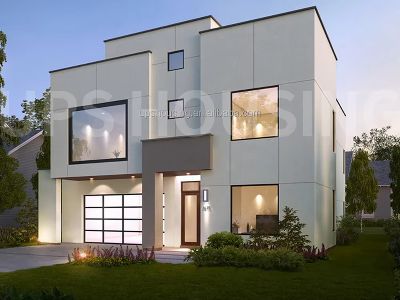
Prefabricated Modular Houses Support Sustainable Development
Prefabricated modular houses are becoming increasingly popular. These homes are built in sections, or modules, in a factory and then assembled on-site. Not only are they faster to construct than traditional homes, but they also help protect the environment. At UPS, we believe that modern modular homes play an important role in supporting sustainable development. Let's explore how prefabricated modular houses contribute to a greener and more sustainable future.
How Prefabricated Modular Houses Enhance Energy Efficiency for Sustainable Living?
One of the biggest reasons people choose prefabricated modular houses is their excellent energy efficiency. These homes are specifically designed to minimize energy consumption. For example, they often feature high-performance insulation that helps keep homes warm during the winter and cool during the summer while reducing the need for excessive heating and air conditioning. Using less energy helps reduce fossil fuel consumption and lowers greenhouse gas emissions.
Many modular homes are also equipped with energy-efficient appliances that consume less electricity than conventional models. Imagine a refrigerator that keeps your food fresh while using significantly less power. Some modular homes even include solar panels that convert sunlight into clean electricity, helping homeowners lower their utility bills while reducing their environmental impact. precast house. Another advantage is the construction process itself. Since most components are manufactured in a factory under controlled conditions, construction is faster and more efficient than traditional building methods. This streamlined process reduces material waste and uses fewer resources. Less construction waste means fewer materials end up in landfills, making modular construction a more environmentally responsible option. At UPS, we understand that efficient manufacturing plays an important role in protecting the planet.
Modern modular homes can also incorporate smart home technology. Smart systems automatically manage lighting, heating, cooling, and energy consumption. For example, lights can switch off automatically when rooms are unoccupied, and thermostats can adjust temperatures based on occupancy. These intelligent features further improve energy efficiency and make prefabricated modular houses an excellent choice for sustainable living.
What Are the Environmental Benefits of Prefabricated Modular Homes?
Prefabricated modular homes offer numerous environmental benefits.
One of the most significant advantages is reduced construction waste. Traditional construction often generates large amounts of leftover materials, while factory manufacturing allows components to be produced with greater precision, minimizing waste. At UPS, we focus on maximizing material efficiency throughout the manufacturing process.
Many modular homes are also built using environmentally friendly materials. Builders increasingly choose recycled materials, reclaimed products, and sustainably sourced wood to reduce the environmental impact of construction. Fast-growing renewable materials such as bamboo have also become popular because they are durable, versatile, and highly sustainable. capsule house for sale. Water conservation is another important benefit. Modular homes can be equipped with water-saving fixtures, including low-flow faucets, showerheads, and toilets. These features significantly reduce household water consumption, making them especially valuable in regions affected by drought or limited water resources.
Location planning also contributes to sustainability. Modular homes can often be installed within existing developed communities rather than requiring large-scale land clearing. This helps preserve forests, wildlife habitats, and natural ecosystems by minimizing environmental disruption.
In addition, prefabricated modular homes are often more affordable than conventional homes. Lower construction costs allow families to save money while still enjoying comfortable, energy-efficient living spaces. Affordable housing combined with environmental responsibility contributes to healthier, more sustainable communities.
Overall, prefabricated modular houses represent more than just a modern construction method they are an important step toward a cleaner and more sustainable future.
How to Choose Eco-Friendly Materials for Prefabricated Modular Houses?
Selecting environmentally friendly building materials is one of the most important decisions when constructing a prefabricated modular house. Sustainable materials help protect the environment while creating a healthier indoor living space.
Start by choosing materials sourced from renewable or responsibly managed natural resources. Sustainably harvested wood is an excellent option because forests are carefully managed, with new trees planted to replace those that are harvested. Bamboo is another outstanding choice due to its rapid growth, exceptional strength, and renewable nature.
Recycled materials also contribute to sustainable construction. Products made from recycled steel, aluminum, glass, or plastic reduce landfill waste while requiring less energy than manufacturing entirely new materials.
Indoor air quality is equally important. Select low-VOC or zero-VOC paints, adhesives, and finishes whenever possible. VOCs (volatile organic compounds) can release harmful chemicals into indoor air, so reducing their use helps create a healthier home environment. capsule house price
High-quality insulation also plays a major role in energy efficiency. Natural insulation materials such as sheep's wool, cellulose made from recycled paper, or recycled cotton provide excellent thermal performance while reducing environmental impact.
Renewable energy systems further improve sustainability. Installing solar panels allows homeowners to generate clean electricity, lower monthly utility costs, and reduce dependence on traditional energy sources.
At UPS, we believe that selecting environmentally responsible materials creates homes that are healthier, more energy-efficient, and better for the planet.
Where to Find Wholesale Suppliers of Sustainable Modular Housing Solutions?
Finding reliable wholesale suppliers is essential for building a sustainable modular home while keeping costs under control.
A good place to begin is by researching online suppliers that specialize in environmentally friendly building materials. Look for companies with strong customer reviews, proven prefab concrete house experience, and recognized sustainability certifications to ensure product quality. capsule houses
Building and construction exhibitions are another valuable resource. These events bring together manufacturers, suppliers, and industry professionals, allowing you to compare products, examine material samples, ask technical questions, and establish direct business relationships.
Online communities and professional forums dedicated to sustainable construction can also provide valuable supplier recommendations based on real customer experiences.
Local home improvement centers may carry environmentally friendly building products or recommend regional suppliers specializing in sustainable materials.
At UPS, we encourage working with suppliers who share a commitment to environmental responsibility. Always verify whether suppliers provide certifications demonstrating compliance with recognized environmental and quality standards, giving you greater confidence in your purchasing decisions.
Where to Buy High-Quality Prefabricated Modular Homes for Eco-Friendly Development?
When purchasing a prefabricated modular home designed for sustainable living, choosing an experienced builder is essential. capsule house
Many companies specialize in manufacturing high-quality modular homes with energy-efficient designs and environmentally friendly construction practices. Visiting local modular home builders allows you to tour model homes, examine construction quality firsthand, and learn about the materials and technologies they use.
Online marketplaces dedicated to modular housing are another excellent option. These platforms allow buyers to compare homes from multiple manufacturers, review specifications, view photographs, and read customer feedback before making a decision.
As you evaluate different modular homes, look for energy-saving features such as solar panel compatibility, high-performance insulation, energy-efficient windows and doors, LED lighting, and smart home automation systems. These features improve comfort while reducing long-term operating costs.
At UPS, we believe that investing in a high-quality prefabricated modular home is an investment in both your future and the environment. By choosing energy-efficient designs, sustainable materials, and trusted manufacturers, homeowners can enjoy comfortable living spaces while supporting a greener and more sustainable world.
Table of Contents
- How Prefabricated Modular Houses Enhance Energy Efficiency for Sustainable Living?
- What Are the Environmental Benefits of Prefabricated Modular Homes?
- How to Choose Eco-Friendly Materials for Prefabricated Modular Houses?
- Where to Find Wholesale Suppliers of Sustainable Modular Housing Solutions?
- Where to Buy High-Quality Prefabricated Modular Homes for Eco-Friendly Development?